
Pakistan Seizes the Books, Not the Gunmen
In September alone, one Ahmadi was shot dead and two others were wounded in Pakistan's Punjab province, with no arrests reported. Meanwhile, the country's Federal Constitutional Court found the time to uphold a ban on the community's sacred texts. Priorities.
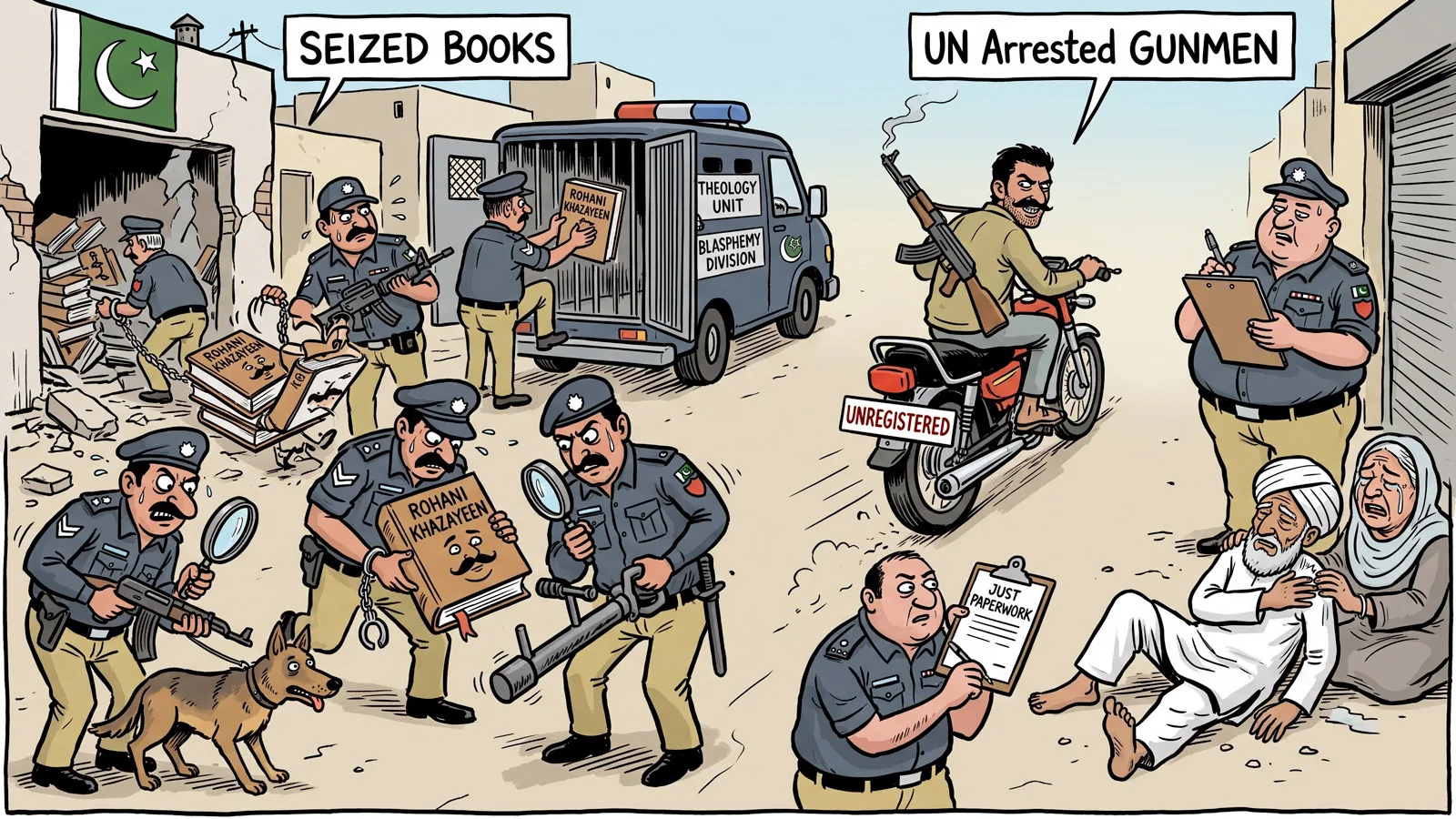
Mirza Safdar Mahmood, 65, had just left his vehicle workshop in Mandi Bahauddin on September 2 when two men opened fire on him. He died on the spot, near the city's Eidgah, the open ground where Muslims gather for Eid prayers. The setting carries a bitter irony. Mahmood was an Ahmadi, a member of a community that considers itself Muslim but that Pakistani law forbids from saying so, and UN experts warn that Ahmadis can face arrest simply for observing Eid, even at home. Police told the daily Dawn the killing appeared targeted. He had no known enemies. He did have a faith, which in Punjab can be enough.
On September 19, it was the turn of Malik Mahmood Mubarak, 70, and his son Ayaz, 40, shot on their way home in Sargodha district. Both survived. The attackers fled on an unregistered motorcycle, and police dutifully registered a first information report the next day. No arrests have been reported. In a country where faith-based killings rarely end in convictions, the rights group Voice of Pakistan Minority notes, such a report "reads less like justice and more like paperwork."
Pakistan's institutions are not idle, though. Days before the Sargodha shooting, the Federal Constitutional Court upheld Punjab's ban on Rohani Khazayeen, a 23-volume collection of writings by the founder of the Ahmadiyya movement, ruling that religious freedom is subject to law, public policy and morality. The books have been confiscated since 2014, and so they will stay. The state, in short, can track down 23 volumes of theology. An unregistered motorcycle remains beyond its reach.
None of this is accidental. In 1974, Pakistan's parliament settled a theological question by constitutional amendment, declaring Ahmadis non-Muslims. Sections 298-B and 298-C of the penal code later turned their faith into a list of offences: an Ahmadi who calls himself a Muslim faces up to three years in prison. The UK-based Christian rights charity CSW calls them "the most institutionally and constitutionally oppressed" religious group in the country. In June, three Ahmadis were wounded in a religiously motivated attack in Rabwah, also in Punjab.
On September 7, UN experts filled in the rest of the picture: attacks on Ahmadi places of worship, desecrated graves, interference with Eid, arrests over religious practice, hate speech. All of it, they said, unfolding with "tacit official complicity." They urged Islamabad to break the pattern of impunity and to review laws at odds with its human rights obligations. CSW, for its part, wants the international community to hold Pakistan to account.
This is what happens when a state appoints itself judge of the true faith. The law polices the label, the courts police the books, and the gunmen, so far, are left to the paperwork.
Sources
Countries
Read also
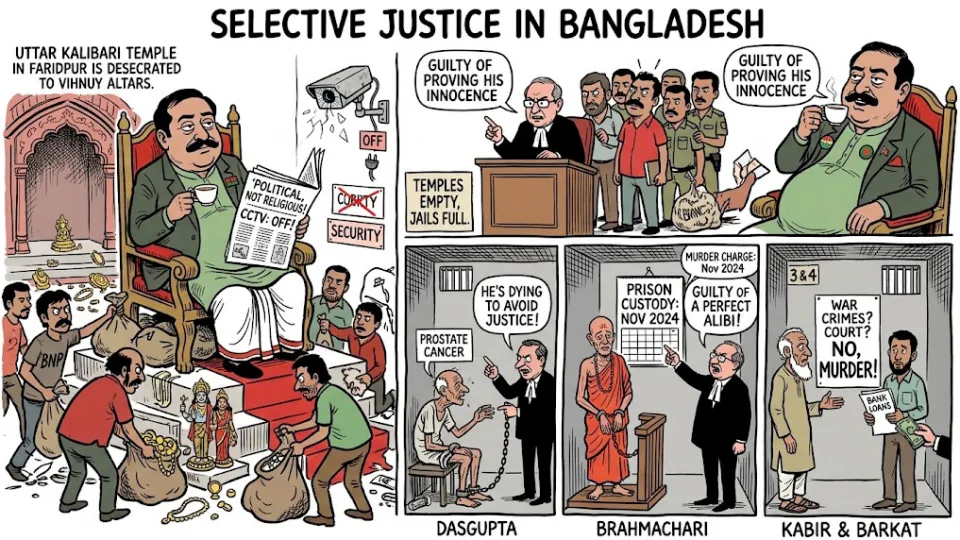
Idols Stolen, Advocates Jailed, Cameras Off
In Faridpur, thieves made off with a Kali idol and its gold while the temple's cameras were out of order. In Kolkata, Indian rights groups counted more than a hundred minority members killed in Bangladesh since early 2025 and four of their defenders jailed or hounded. Dhaka has changed governments. Its Hindus are still waiting for the change.
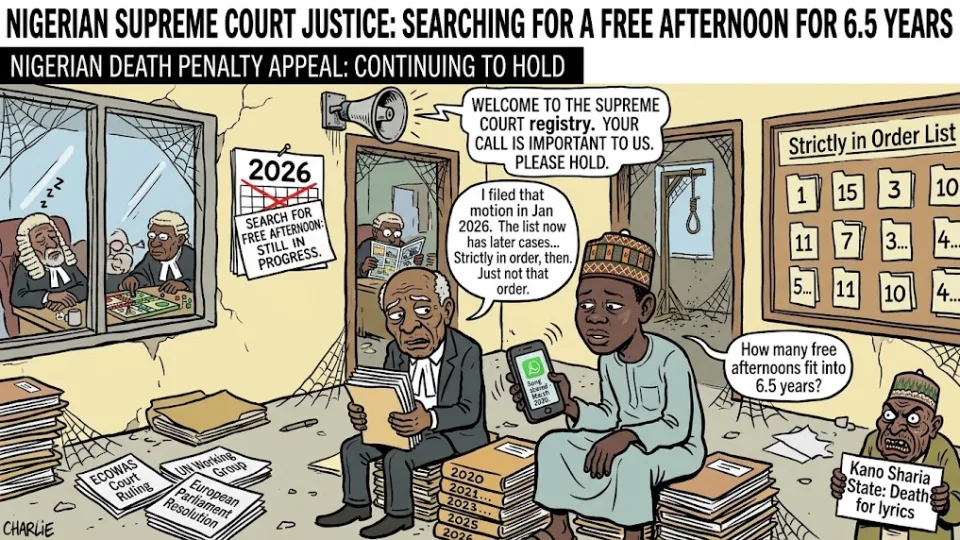
Death Row on Shuffle: Nigeria's Top Court Keeps Skipping a Musician's Appeal
Yahaya Sharif-Aminu was sentenced to hang over a song he shared on WhatsApp. Six and a half years on, Nigeria's Supreme Court still has not managed to fit his appeal into its schedule.
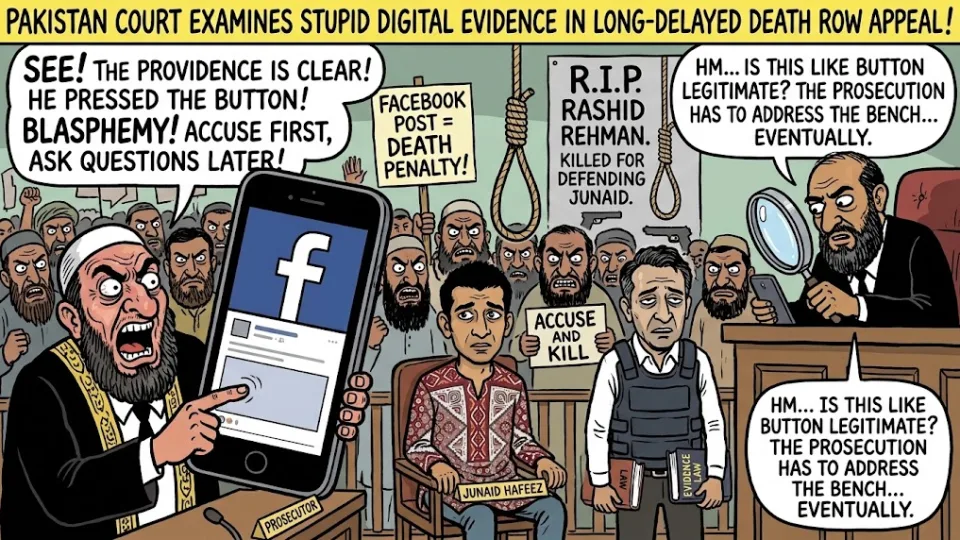
Death row first, evidence check later: Lahore judges query Facebook proof against Junaid Hafeez
Prosecutors in Pakistan have been told to show that the digital evidence used to convict Junaid Hafeez is both admissible and authentic. The former lecturer has been on death row for blasphemy since 2019, and his appeal has been waiting since 2020.