
Pakistan: No Ahmadi May Pose as a Muslim, Even Six Feet Under
In September 2025, hardliners in a Pakistani village blocked the burial of an Ahmadi woman in the cemetery granted to her community in 1947, and the police booked some 30 Ahmadis. Pakistan’s own human rights commission has since documented police smashing Ahmadi tombstones. A year later, UN experts blame official complicity.

A cemetery of their own
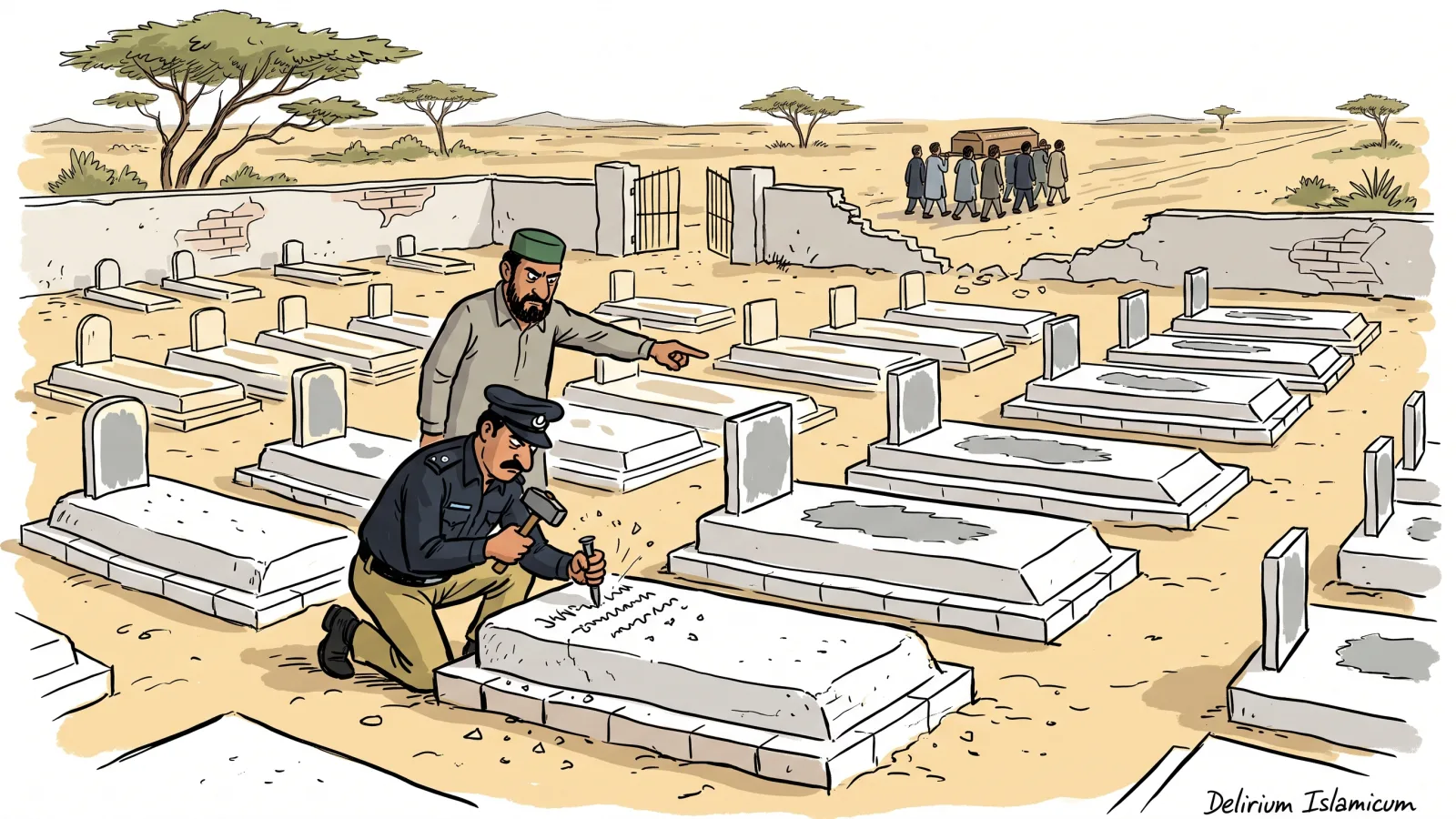
Qudsia Tabassum, a 55-year-old Ahmadi woman, died on September 21, 2025, in Pakistan's Punjab province. Her family wanted to bury her in the cemetery of Piru Chak, a village near Daska, allotted to Ahmadis after Partition in 1947. It holds some 220 Ahmadi graves. About 100 other villagers rest there too: the Ahmadis had let them in when their own communities refused them a plot. Hardliners led by Tehreek-e-Labbaik Pakistan (TLP), a radical Islamist party, blocked the burial, according to the community, and announced that no Ahmadi would ever be buried there again. For days, her body waited in a morgue.
In 2022, the district peace committee had confirmed in writing that the cemetery was allotted to the Ahmadis, and asked the deputy commissioner to settle the dispute. Local officials, a community representative says, simply told the Ahmadis to "let it go".
Peace, 14 kilometres away
When the family tried again on the night of September 24, a mob tried to storm Ahmadi homes, looted shops and set a motorcycle on fire. Several people were injured. The police then booked some 30 Ahmadis. The administration settled the dispute: Qudsia Tabassum was buried 14 kilometres away. At least six Ahmadi burials had already been sent elsewhere in two and a half years. Between September 28 and 30, a mob of 200 to 250 people torched Ahmadi shops and farmhouses and briefly seized police weapons. This time, the police opened a terrorism case against the attackers.
Not even on a tombstone
The law takes care of the rest. In 1974, Parliament declared Ahmadis non-Muslims. Since 1984, they may not call themselves Muslims or display anything that identifies them as such, Quranic verses included. In a March 2026 report, Pakistan's own National Commission for Human Rights describes police and municipal staff smashing dozens of Ahmadi gravestones after demands to erase their Islamic inscriptions, including at least 80 in Daska in January 2024. Even when the police act promptly, the commission notes, they tend to disperse the Ahmadis and advise them to bury their dead somewhere else.
Banned, for something else
On October 23, 2025, Pakistan banned the TLP under its anti-terrorism law. The trigger was not the Ahmadis, but deadly clashes with the police during a pro-Palestinian march. The commission then noted a lull in religiously motivated attacks on Ahmadis. On September 7, 2026, UN human rights experts saw no lull: they listed ongoing attacks on Ahmadi places of worship, desecrated graves, and arrests over Eid celebrations.
- "These attacks take place with tacit official complicity."
UN human rights experts, September 2026
Pakistan's first Nobel laureate, the physicist Abdus Salam, was an Ahmadi. His tombstone called him the first Muslim Nobel laureate, until local authorities scrubbed out one word.
Sources
Countries
Keywords

Read also
In Egypt, Belief Is Free. Changing It Is Terrorism.
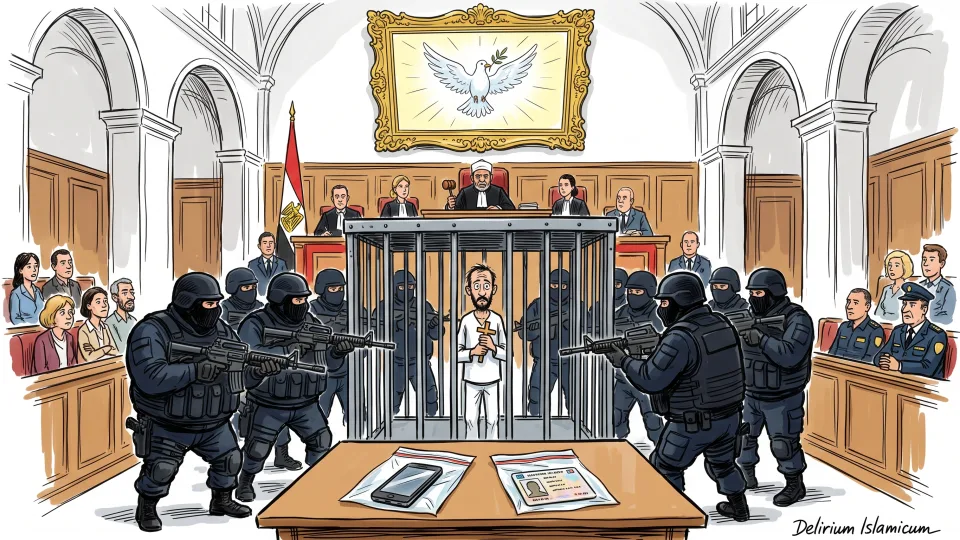
Egypt’s constitution says freedom of belief is absolute. Said Abdelrazek, a convert from Islam to Christianity, has been detained since July 2025 and is on trial before a terrorism court. The country’s highest Islamic authority explained the nuance years ago, on television.
Tax-Exempt Advice: Beat Your Wife, Lightly
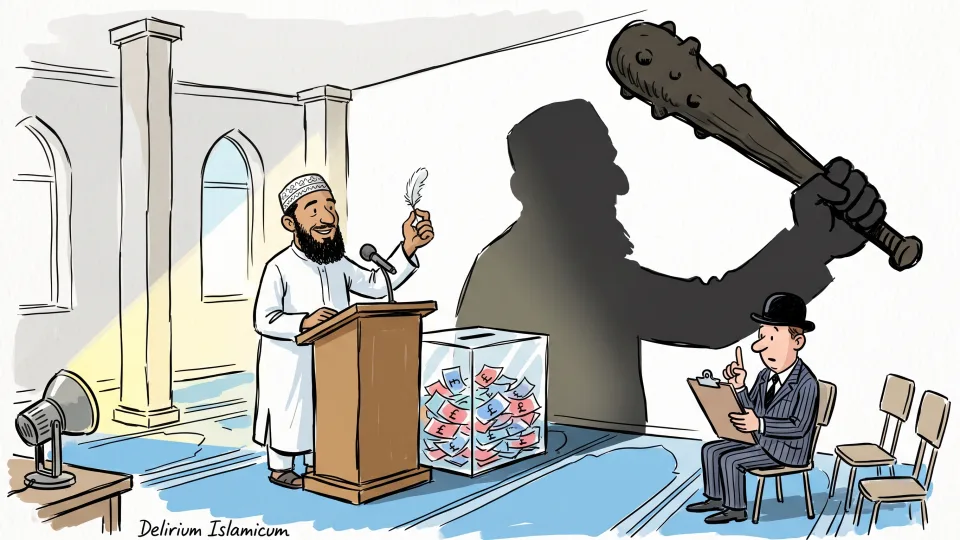
A mosque in east London, registered as a charity that supports mankind by advancing Islam, posted lectures telling husbands to hit disobedient wives "lightly" and explaining that Sharia executes gay men. The Charity Commission is now assessing whether this serves the public benefit.
Iran Seizes the Rings, the Toys and the Complaints
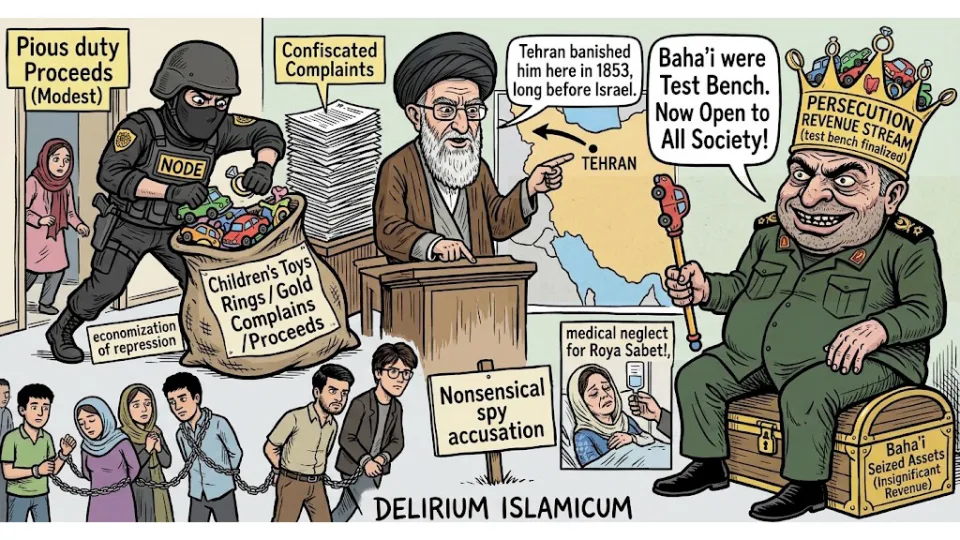
Sixty-nine Baha'is behind bars, homes raided from Shiraz to Yazd, a woman sentenced to more than five years for offending Islam's sacred law, and security agents walking off with wedding rings and children's toys. In the Islamic Republic, persecuting a religious minority has become both a pious duty and a revenue stream. A modest one, economists say. It's the principle that counts.


Comments
No comments yet