Top story
Iran’s Constitution forbids investigating anyone’s beliefs and torturing anyone into a confession. Within ten days, rights groups reported a death sentence for a Baha’i in Kerman, 44 years in prison for five of his co-defendants, 26 years for a Baha’i photojournalist and prison terms for Sunni Arabs over their religious activities. Iran’s judges seem to have skipped a few articles.

Within ten days, Iranian rights groups reported death sentences for a man whose username means “James Without Religion” and for a cleric convicted of apostasy. The judiciary announced the arrest of four people selling courses on prayers whose effects it deems unproven, and Parliament voted to punish films and books that question religious rulings. After policing what Iranians wear, the Islamic Republic now polices what they believe.

Iran banned Halloween again this year, to protect the nation’s culture and religion. Over two weeks, police and prosecutors broke up a costume gathering in Tehran, sealed cafés and gyms in the provinces, arrested a fitness blogger and ordered women’s motorcycles impounded, while a private bank fired staff over headscarves and jeans. The scariest thing in Iran this Halloween was not a costume.
Latest articles
Page 1 of 3
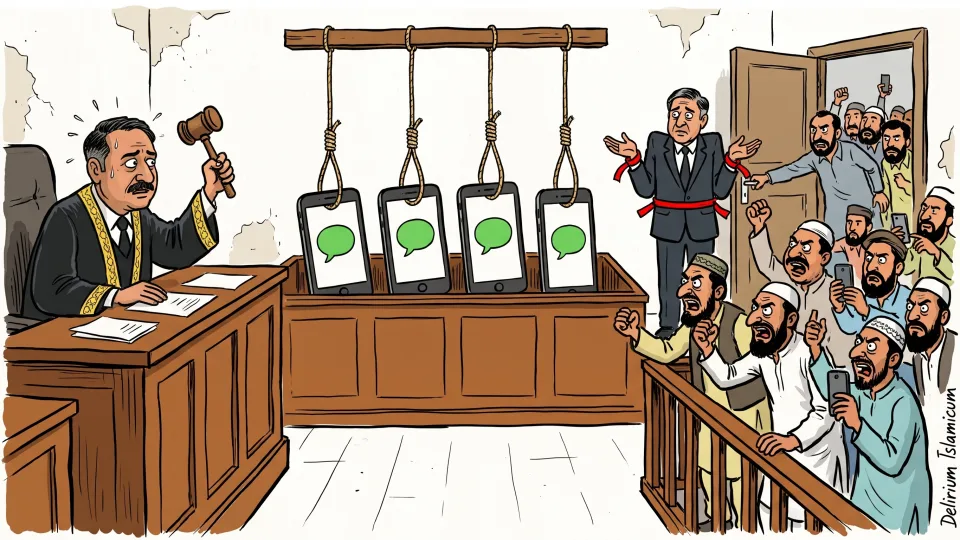
Ten days after Pakistan’s Supreme Court confirmed a Christian’s death sentence for a blog, a Lahore court sent four more men to death row over WhatsApp messages. In Sahiwal, the police charged a man they themselves describe as mentally unstable. At the end of June, 491 people accused of blasphemy were still awaiting trial in Punjab’s prisons.
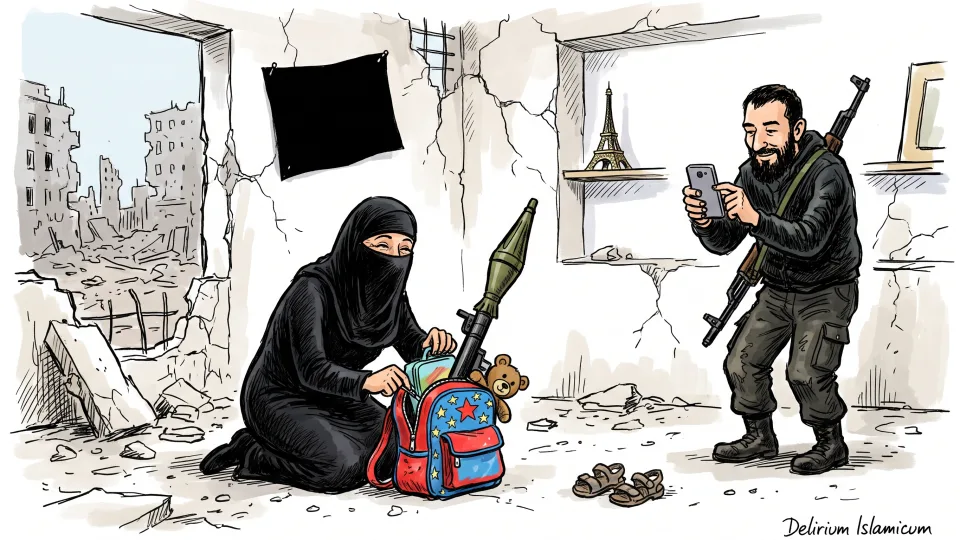
In October, the Paris special assize court tried three French families who moved to the Islamic State, children included. The mothers got between five and eleven years. The children had already served their sentence.
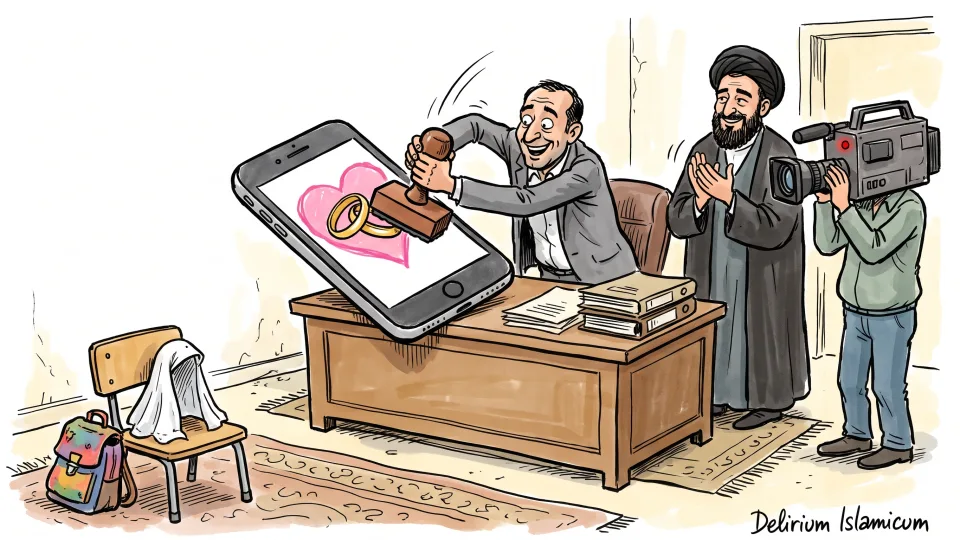
On October 9, Google removed Adam and Eve, an Iranian matchmaking app that listed girls as young as 13 as prospective wives, for violating its policies. At home, the app holds a state licence and has been promoted on state television. On Google Play, it was rated suitable for everyone.

On October 14, Iran hanged a former lawyer who had murdered his wife, a journalist at the state news agency IRNA. As the Islamic Penal Code values a woman’s life at half a man’s, her family first had to pay him the difference, out of her own marriage portion. At least 20 more men were hanged for murder within three weeks.
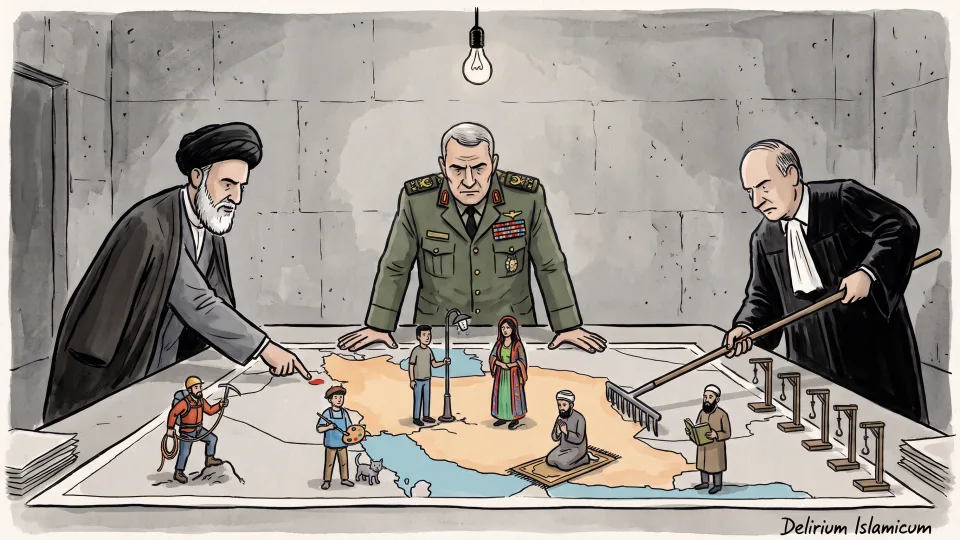
In October, Iran hanged or sentenced to death, as enemies of God or rebels, a mountaineer, an animal-rights artist, an orphan accused of damaging public property, a Kurdish activist, a Baluch seminarian and an Iraqi Quran teacher. Two UN experts responded by joining the prisoners’ hunger strike.
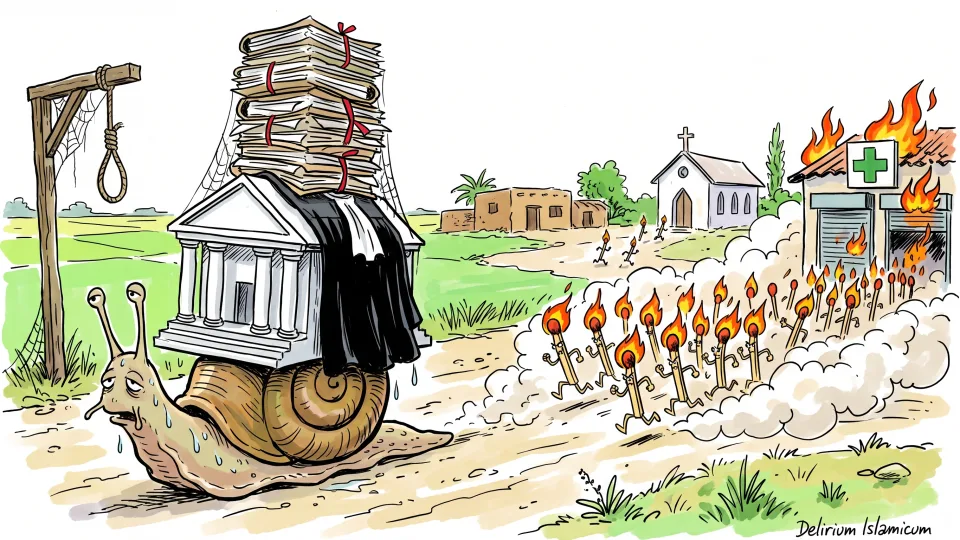
In Punjab, a mob burned the clinic and home of a Christian pharmacist accused of blasphemy over a WhatsApp video, less than a day after his arrest. The Supreme Court, for its part, needed thirteen postponements to free one Christian brother and keep the other on death row. In Sindh, two Hindu sisters aged 13 and 14 waited seven weeks to go home, while on the Afghan border the army fights khawarij it calls Indian-sponsored and Taliban-protected.
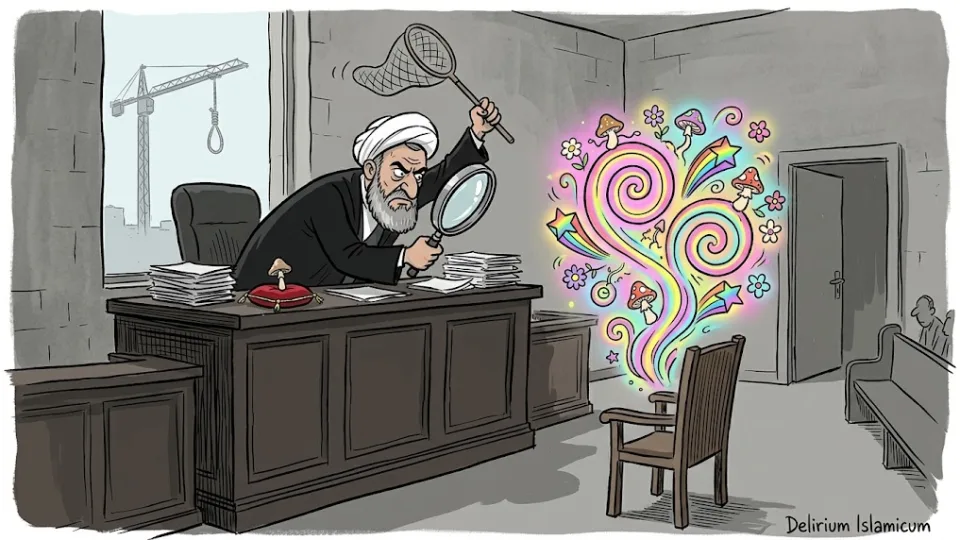
Iran hanged 2,003 people in twelve months, according to HRANA, mostly for murder and drug offences. The past few weeks show where the regime’s real zeal lies: a death sentence for a post about the Prophet, decades in prison for Baha’is and Christians, the gallows for protesters convicted of “waging war against God.” Even Tehran’s cafés are now under suspicion.

On October 5, the International Criminal Court unsealed arrest warrants against the Taliban’s supreme leader, his chief justice and his two education ministers, accused of persecuting women and girls. The same day, the UN Human Rights Council agreed that their treatment of women should shock humanity. The Taliban replied that only Sharia may judge them, as they interpret it.
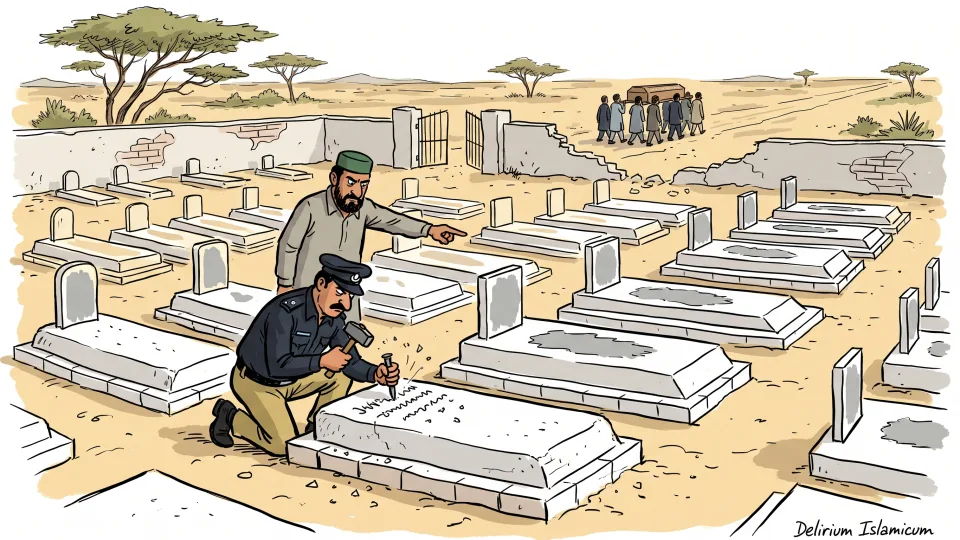
In September 2025, hardliners in a Pakistani village blocked the burial of an Ahmadi woman in the cemetery granted to her community in 1947, and the police booked some 30 Ahmadis. Pakistan’s own human rights commission has since documented police smashing Ahmadi tombstones. A year later, UN experts blame official complicity.